
Emotional Distance: What It Is & What Causes It?
Clinically reviewed by Cindy Finch, LCSW

Emotional distance is a state in which one or both partners disengage from feelings (their own or each other’s), pulling back from affection, conversation, and physical intimacy. It can be a temporary response to stress or an ongoing pattern rooted in attachment style, and it is one of the earliest signs a relationship is in trouble.
In healthy partnerships, you start out close, without any emotional distance. Over time, events or stresses can drive one or both partners to feel shut off. This growing emotional distance often shows up as avoiding heartfelt conversations, sidestepping discussions about emotions, or withholding physical affection, leading to a loss of emotional connection. Once you start holding back your emotions, you start allowing anger to enter the relationship, which is a recipe for a quick end.
A common sign of emotional distance is the tendency to seek emotional needs outside of the relationship, which can further deteriorate the emotional connection. It’s not healthy to allow emotional distancing to fester in the relationship. You want to be aware of what emotional distancing is and what causes it, and try to detect the reasons behind you becoming emotionally distant. Emotional connection is crucial for intimacy and understanding between partners. It’s always best to consult an experienced relationship advocate to help you, however you first need to know what and why it is happening to you.
What Is Emotional Distance?
Emotional distancing, or emotional detachment, is the inability of an individual to completely engage with their own feelings, or the feelings of others. Severe emotional distancing can start interfering with a person’s social, emotional, psychological, as well as physical development.
Emotional distancing can be temporary, in response to a stressful or unpleasant situation, or ongoing, which appears in people who suffer from attachment disorders. Whatever kind of emotional distancing you’re experiencing, you should try and find professional assistance to help you cope with it and overcome it.
Common Symptoms of Emotional Distance
Some of the most common signs of emotional distancing, be it in a relationship or with loved ones, are the following:
- Suffering from low self-esteem
- Becoming completely ambivalent
- Exhibiting very bad listening skills
- Constantly challenging intimate relationships
- Not opening up or having great difficulty doing so
- Experiencing lack of verbal, physical, or sexual contact
These symptoms can lead to emotional disconnection, where unresolved issues and avoidance of conflicts further escalate the sense of emotional distance felt by both partners.
What Causes Emotional Distance in a Relationship?
Emotional distance in a relationship is most often caused by five factors: unmet needs for alone time, emotional distress, fading investment, pursue-withdraw cycles, and chronic criticism.

Emotional distancing in relationships can be caused by several different factors. Determining the cause behind you or your partner becoming emotionally distant is the first and vital step in overcoming such emotional problems.
Stress is another significant factor that can lead to emotional distancing, as extreme levels of stress can affect various aspects of life and relationships. Here are the most common causes of emotional distance in relationships:
- Alone time: Sometimes, it all begins with a benign reason as craving some alone time. If you or your partner do not have sufficient time to dedicate to yourselves, you should try discussing it honestly and finding some time for you and you alone.
- Emotional distress: If you or your partner have recently suffered severe emotional strain, it can be what triggered the act of emotional distancing. Experiencing extreme emotions can lead to an individual withdrawing and becoming emotionally distant for a time.
- Love lost: Sometimes, you or your partner are no longer as emotionally invested in your relationship as you used to be. Losing interest in the relationship, not putting enough effort and avoiding intimacy are different factors that can lead to problems with emotional attachment.
- Avoiding and pursuing: Sometimes, you can start feeling that your partner is too needy, or vice versa. This leads to taking an emotional step back which, in turn, leads to your partner pushing even harder for answers and explanations, which quickly turns into a vicious cycle of pushing and falling back, climaxing in complete emotional detachment. This can also affect your ability to effectively express emotions.
- Criticism: When you or your partner begin to experience emotional distance, it can quickly become really hurtful. One of you will then start to become overly critical of the other, leading to emotional withdrawal and further emotional distancing. This withdrawal will make you feel even more distressed, which will lead to even more criticism, without an end in sight.
Whatever the causes and the reasons behind emotional distancing, it’s paramount that you consult an experienced relationship advocate to help you get through it all. Otherwise, you and your partner risk imprinting further emotional damage onto each other due to unresolved conflict.
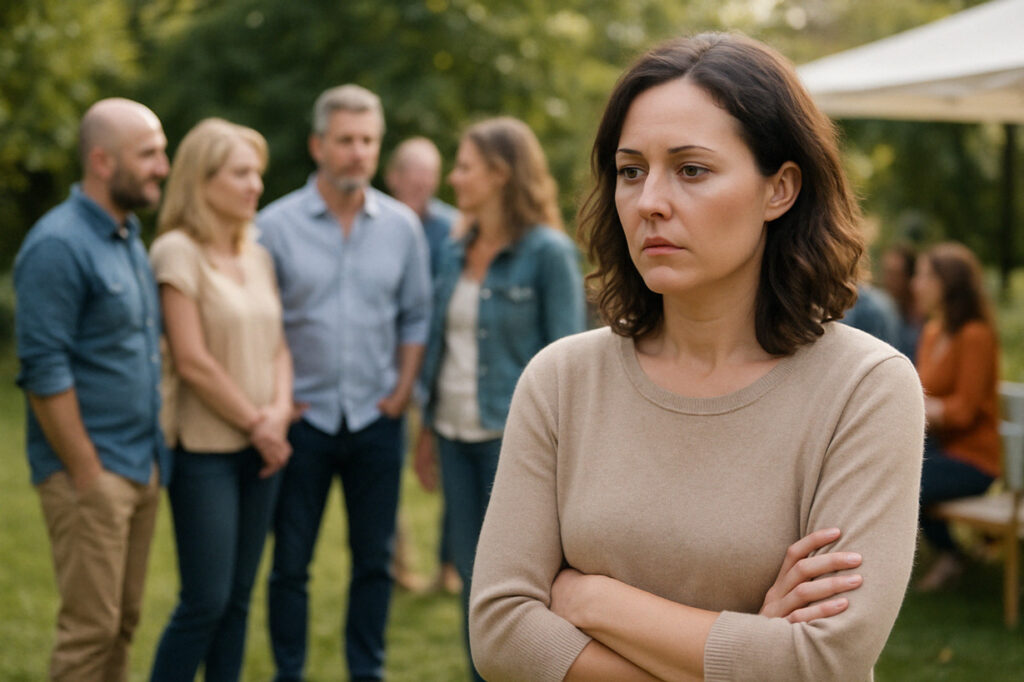
What Does It Mean When You Distance Yourself From People?
When you distance yourself from people, you pull back emotionally from those close to you, often because life feels stale or you’ve begun to lose hope in the relationship.
Sometimes, the cause behind becoming emotionally distant is simply a lack of excitement in your life.
Losing hope in the relationship can also contribute to emotional distancing. As simple as this may sound, the feelings you’re experiencing are still hard and difficult to deal with.
Distancing yourself from people close to you, be they your partner, your family, or your friends, is never easy, and you may want to try to talk about it to change it. Engaging in a healing process that includes self-reflection and new activities can facilitate personal growth and positive thinking. Here's what you can try to do when you feel that your life has become stale and that it’s causing you to spend time alone, away from the important people in your life:
- Notice the withdrawal pattern
Start by noticing the moments you pull back: going quiet, staying busy, or avoiding closeness. Recognizing your own withdrawal as it happens is the first step toward changing it.
- Name the feeling instead of acting on it
When the urge to retreat shows up, pause and put words to what’s underneath it: hurt, loneliness, or feeling unseen. Naming the emotion, rather than acting it out through distance, keeps the door to connection open.
- Identify the attachment trigger
Ask yourself what set the pulling-away in motion. Distancing is often an old, protective response to feeling rejected, criticized, or crowded. Recognizing the trigger helps you respond to what’s happening now instead of the past.
- Re-engage with one small bid for connection
Reconnection rarely happens all at once. Offer one small, low-pressure bid (a brief check-in, a shared moment, or an honest sentence about how you feel) and let closeness rebuild from there.
- Consult a professional
If the pattern keeps returning despite your best efforts, reach out to an experienced relationship coach or advocate who can help you understand what’s driving the distance and rebuild connection.
Why Am I Distancing Myself From My Partner?
You may be distancing yourself from your partner for three main reasons: prolonged time apart, unresolved conflicts, or a poor sexual connection.
If you notice that you’re starting to emotionally distance yourself from your partner more and more, it’s time to take a look at some of the reasons why that might be happening. There are three main reasons why you might be distancing yourself from your partner:
- Prolonged distance: Couples go through different emotional periods together. Sometimes, they feel more distant, while sometimes they feel close to each other. However, if you stop spending quality time together, enjoying engaging activities, or start spending prolonged time away from each other, you can become more and more emotionally distant unless you change these habits.
- Unresolved conflicts: Experiencing conflicts in relationships is normal. However, you should always try to resolve those conflicts and not leave matters unfinished. Unresolved issues can cause long-term resentment, which can lead to severe emotional distancing between you and your partner. Unresolved conflicts can also lead to anxiety, which exacerbates emotional distancing.
- Poor sexual connection: Finally, if you’re experiencing a prolonged period of sexual inactivity between you and your partner, this may be a signal that you’re growing further and further apart emotionally.
FAQ: Emotional Distance
It means they’ve emotionally checked out: engaging less with their own feelings and yours, avoiding heartfelt talks, and withholding affection. For some it’s a short-term reaction to stress, and for others it’s a more ingrained pattern.
The terms are closely related and often used interchangeably. Emotional distance usually describes the growing gap between partners, while emotional detachment is more about one person’s disengagement from their own or others’ feelings.
Early signs include fewer heartfelt conversations, less physical affection, and difficulty opening up. You might notice more ambivalence, poorer listening, or a partner who starts meeting emotional needs outside the relationship: small withdrawals that widen if they go unaddressed.
Yes. Many couples close the gap once they identify what’s driving it early (unmet needs, stress, fading investment, pursue-withdraw cycles, or criticism) and commit to reconnecting, often with a relationship advocate or through couples coaching.
Pick a calm moment and speak from your own experience rather than blame, naming what you miss instead of what your partner is doing wrong. Discuss it honestly before the distance festers, and if your partner is the one pulling away, our guide to coping with an emotionally distant partner can help.
Join a PIVOT Retreat & Overcome Emotional Intimacy Problems In Your Relationship

Losing emotional attachment to your partner or loved ones is never easy. Becoming distant in a relationship is hard on both parties involved, and it can exert a horrible emotional toll on both partners, unless they understand each other's needs.
However, there is a way to solve such intimacy problems in a relationship, and it is best to start working on resolving your emotional distancing issues with an experienced relationship advocate.
PIVOT is your safe sanctuary where you can get in touch with your inner self and learn how to connect with your partner all over again. We organize relationship retreats and workshops for you and your partner, while you can choose to have individual coaching sessions with a team of our experienced advocates. PIVOT is here to help you feel again. Contact us today!